硬體

AI 晶片、GPU、資料中心、邊緣裝置與硬體安全。

GitHub Repo

Linus Torvalds Draws a Line on AI in the Linux Kernel: No Ban, and No Letting Anti-AI Positions Hijack the Project

In a discussion about integrating Sashiko with Patchwork, Linus Torvalds made it clear that the Linux kernel is not an anti-AI project; opponents are free to fork it under open-source rules or leave. This is not blanket approval of AI-generated output, but an application of existing technical evaluation standards to AI tools: the results must be useful, while human maintainers and contributors remain accountable.
AI 科學與高效能運算

U.S. Department of Energy Launches 278 AI Science Workflow Projects Linking Agent Frameworks, Models, and National Laboratory HPC

The first group of Genesis Mission projects spans nuclear energy, critical minerals, chip design, and commercial fusion. Research teams will share models, agent frameworks, and high-performance computing resources. OpenAI has separately committed Codex access and API credits to support about 2,000 researchers and two large-scale scientific experiments.

訓練系統

SLAI T-Rex Achieves 34.22% MFU in Full-Parameter Post-Training of a Trillion-Scale MoE on Ascend SuperPOD

The research team redesigned parallelization strategies, communication scheduling, kernels, and operator fusion for the DeepSeek-V4 family, bringing Ascend training efficiency to 2.93× the open-source baseline. The system was also used to train an operations research model on solver-verified data, though more complete public reproduction of the code, data, and hardware measurements is still needed.

具身 AI/機器人

RynnBrain 1.1 Adds Contact Points and Native 3D Grounding to an Embodied Foundation Model, Trains VLA Across Three Robots

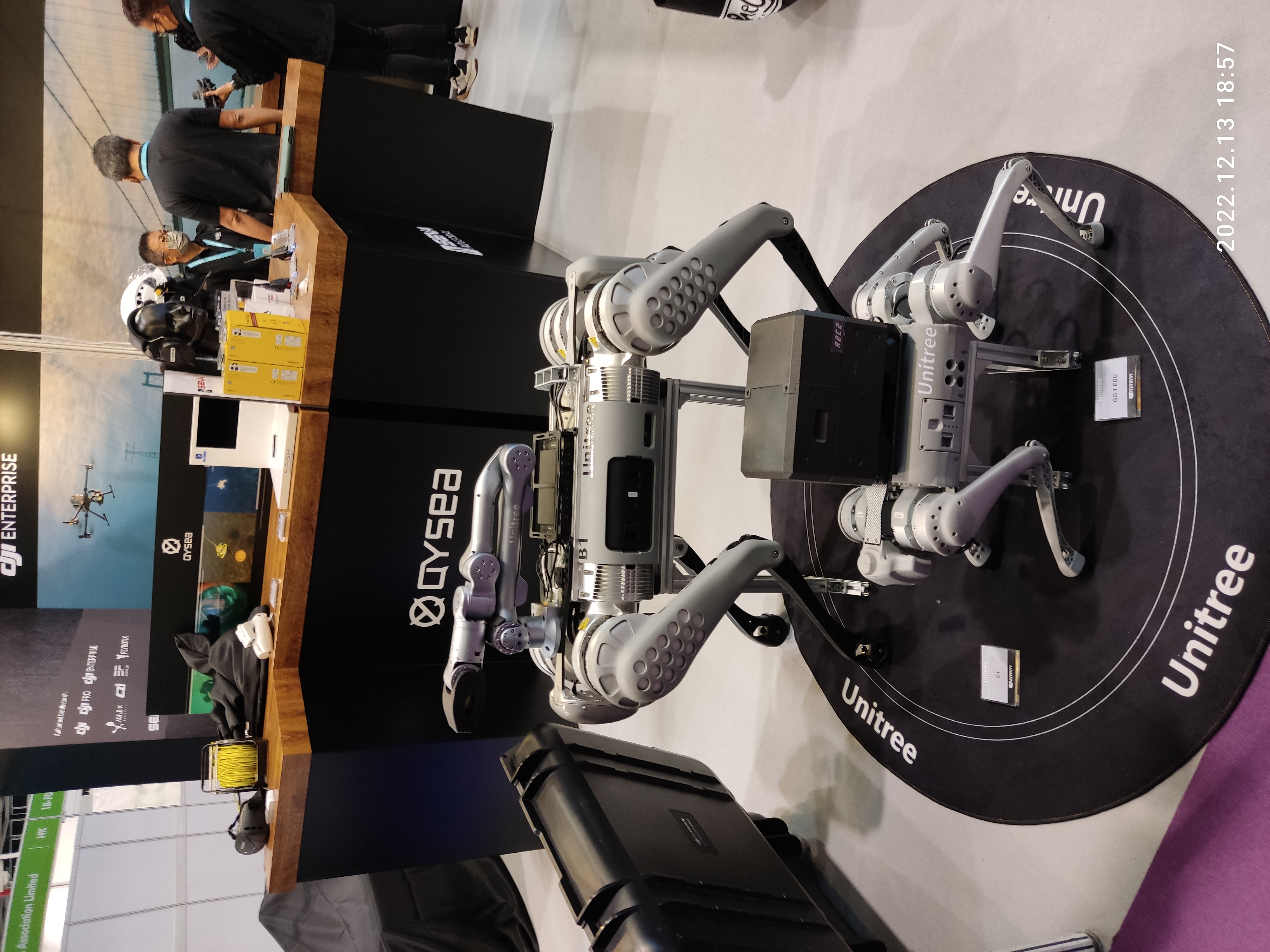
Alibaba’s DAMO Academy has released three RynnBrain 1.1 models—2B, 9B, and 122B-A10B—adding contact-point prediction and native 3D grounding. The accompanying RynnBrain-VLA is trained across Unitree G1, Astribot-S1, and Tianji Wuji using a unified action space, although evidence for cross-hardware generalization still comes primarily from the team’s own experiments.