最新模型

新模型、開放權重、多模態、語音、影像與模型架構。

代理工具

LLM Judges Decide First, Then Search or Abstain, Using Calibrated Thresholds to Control the Error Rate

A new framework uses predictive entropy to determine whether an LLM judge should accept a verdict directly, search for web evidence, or abstain, while calibrating two thresholds with a Clopper–Pearson upper bound. All 32 open-domain question-answering experiments maintained the specified error rate, but the guarantee depends on i.i.d. calibration data and reliable labels.

推論系統

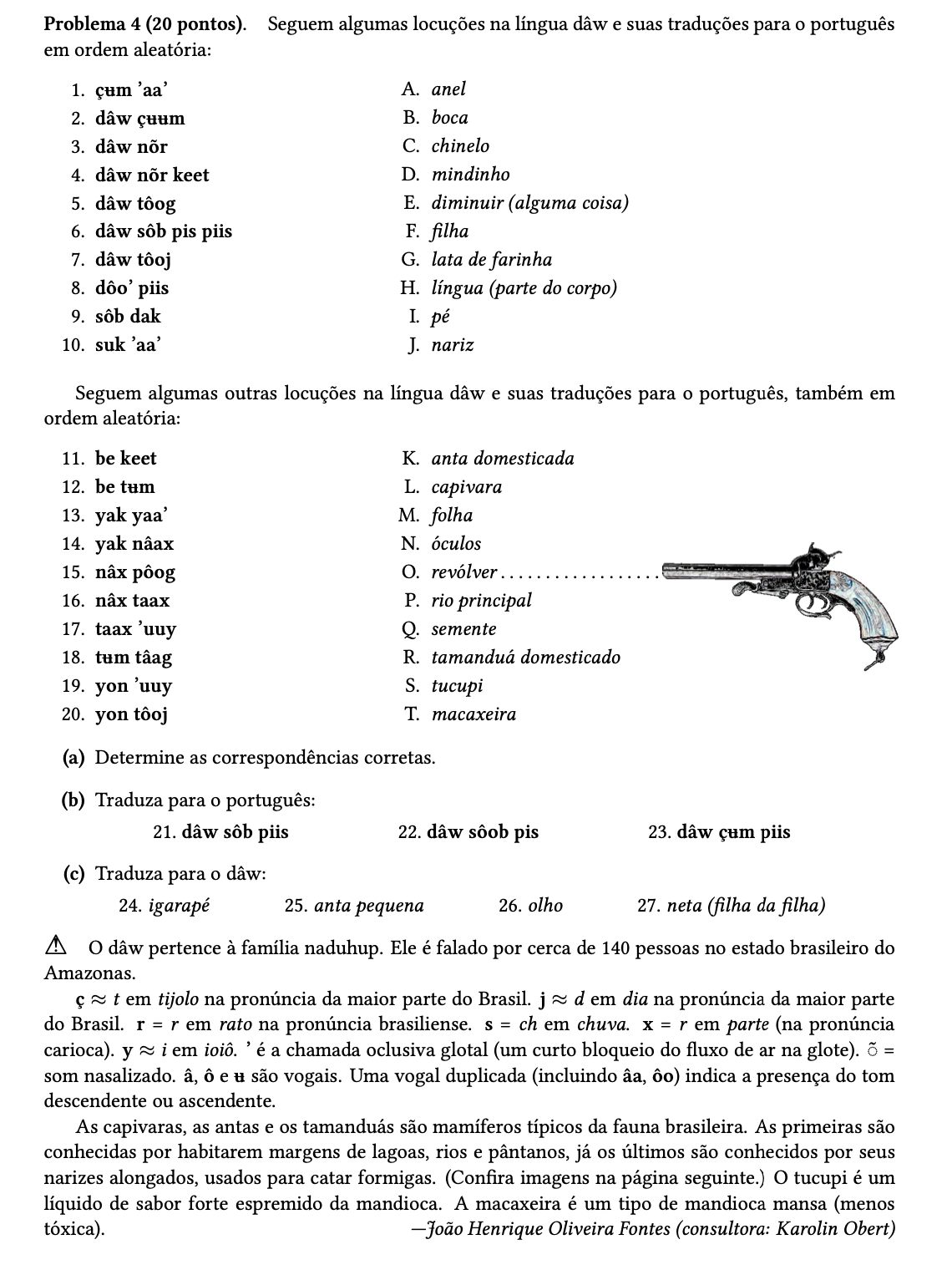
IOL-AI Tests Reasoning on Unreleased Linguistics Olympiad Problems: A 14B Model More Than Doubles Its Baseline Score Through Its Decoding Pipeline

The IOL-AI Challenge requires systems to infer the rules of an unfamiliar language from a small number of examples before completing translation, transcription, and correction tasks. Under a single-T4 constraint, the best submission raised the same model’s baseline GM score from 9.40 to 19.79, but still lagged well behind closed models that reached the gold-medal threshold.

推論系統

TensorRT Model Connect Enters Public Preview: Package Hugging Face Models for Native C++ Inference Without ONNX

NVIDIA has open-sourced TensorRT Model Connect, which uses two commands to turn supported Hugging Face or local checkpoints into versioned bundles that can be handed off to C++ applications. It shortens the model-porting path, but remains a reference implementation; support and performance must be validated for each model, precision, and hardware configuration.

硬體

PTXBench Tests LLMs Writing H100/B200-Specific PTX Directly; No Model Reliably Matches State-of-the-Art Kernel Libraries

PTXBench checks whether generated kernels are correct, whether specified instructions actually execute, and how their performance compares with cuBLAS, cuDNN, and FlashInfer. The results show that generating instructions for new architectures does not necessarily translate into effective acceleration, with B200 attention kernels proving especially difficult.