代理工具
VS Code 1.136 Introduces Agent Merge to Continuously Address Reviews, CI Failures, and Conflicts Until a PR Is Mergeable
The Agent Merge preview extends coding agents’ scope from generating changes to finalizing PRs, allowing them to repeatedly address review feedback, failed checks, and branch conflicts. Once enabled, the session switches to Autopilot and Assisted permissions, so teams must treat automatic merging and required checks as a privileged control plane.
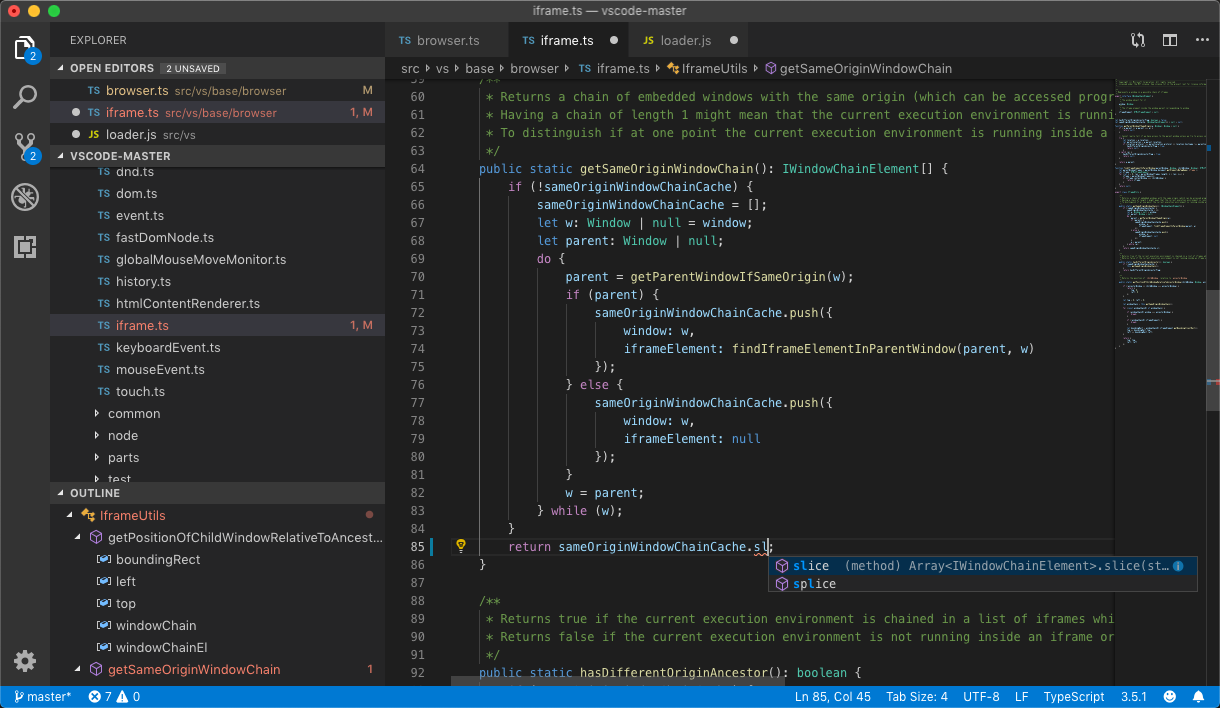
Microsoft released Visual Studio Code 1.136 on September 2, with the preview version of Agent Merge representing its most technically significant feature. It monitors the GitHub pull request linked to an agent session and starts another agent turn when it encounters unresolved review threads, reviews requesting changes, new comments, failed required CI checks, or conflicts caused by the branch falling behind its base branch. Depending on its configuration, it can also merge the PR directly once the blockers have been resolved or send it to the merge queue.
This turns a coding agent from a one-shot code generator into a continuously running PR maintenance loop. Agent Merge modifies and synchronizes the remote branch, reruns workflows, and reassesses whether the merge requirements have been met. It also rechecks the PR’s status in real time immediately before merging. Monitoring is automatically disabled if the session switches to tracking a different branch or PR and must then be re-enabled. For now, it can only be enabled for a specific session from the Agents window. Its configuration setting is chat.agentMerge.enabled, and the associated session workflow does not yet support PRs from forks.
This also changes the security boundary. Microsoft explicitly warns that enabling the feature switches the session to Autopilot and Assisted permissions, allowing the agent to start new turns on its own, consume model requests, and push code. Required checks can prove only that the configured automated rules have passed; they cannot prove that the review was comprehensive, nor can they rule out the possibility that the agent weakened tests or modified workflows to make the checks pass. Teams adopting the feature should restrict writable paths and workflow permissions, retain human approval or CODEOWNERS gates, and track the changes and model costs associated with every turn. During the preview period, they should also pin the version and validate conflict handling, retry limits, and merge queue behavior before allowing automatic merges.