AI 安全
TopoIntent Compiles Natural-Language Cybersecurity Requirements into Executable Networks, Raising CIS Coverage from 0.78 to 1.00 After Remediation
Using a structured schema, architecture retrieval, and compliance checks, TopoIntent converts ambiguous requirements into Mininet and iptables test environments. Holdout testing shows that automated remediation can fill gaps in topology-level controls, but the dataset contains only 14 unseen requirement sets.
Enterprise network automation typically starts with a predefined topology. TopoIntent instead attempts to address an earlier step that is also harder to validate: compiling natural-language requirements such as “isolate payment systems, restrict vendor access, and meet a specific security tier” into executable segmentation, boundary devices, paths, and ACLs.
The paper first uses a schema contract to constrain the model to producing only valid node, link, and policy fields, then performs vector retrieval across 22 reference architectures. The system incrementally merges requirements into a template and checks for gaps against safeguards from CIS Controls v8.1 that are observable from the topology. Remediation may only add nodes, links, or rules; it cannot arbitrarily rewrite an approved design. Controls that cannot be determined from the topology are reserved for human review.
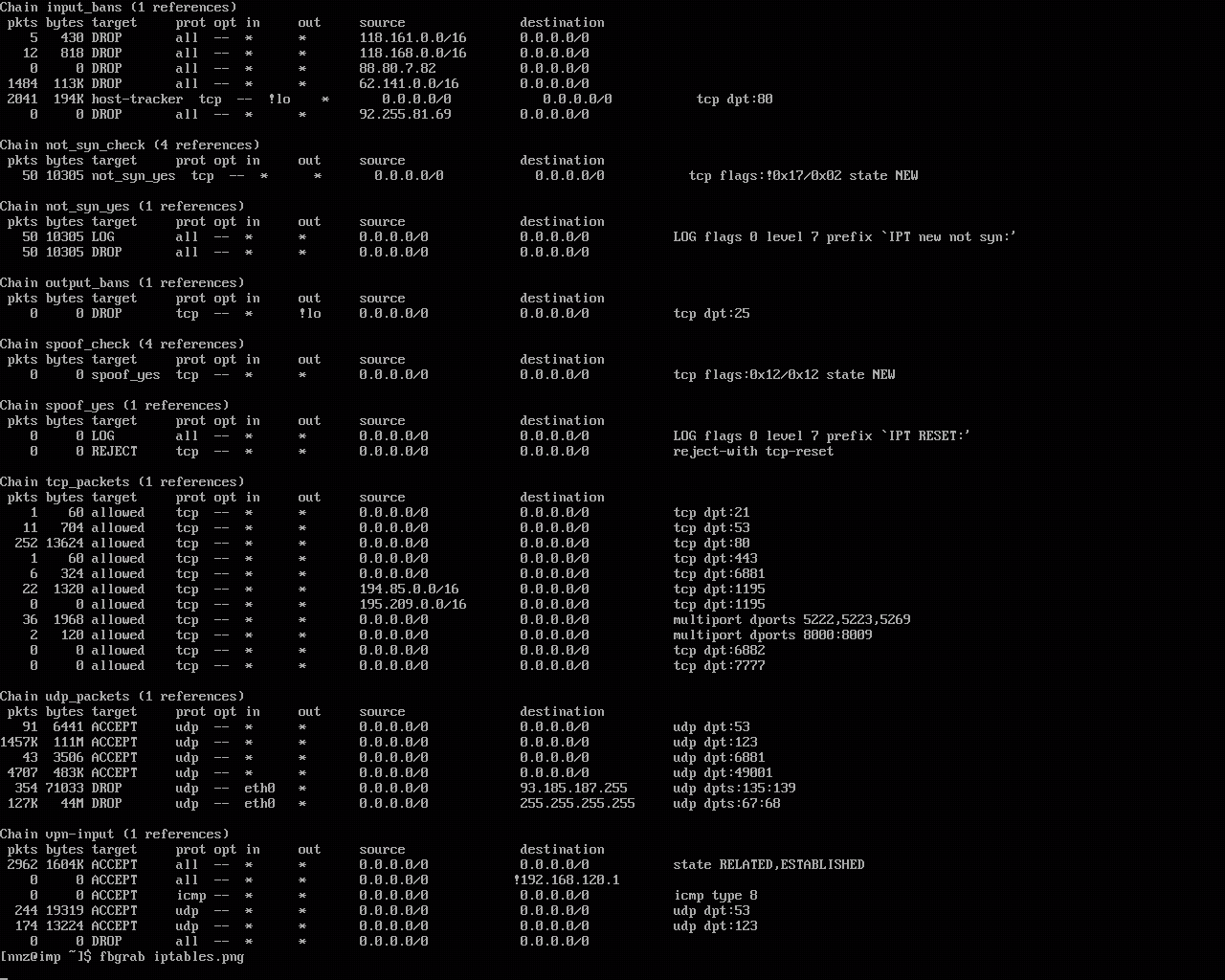
The output is more than a diagram. TopoIntent generates Mininet Python scripts and core-layer iptables ACLs, then executes reachability and allow/deny tests. The authors created 44 synthetic requirement sets across five scenarios. They also completely excluded seven templates and 14 requirement sets from financial and government architectures from the retrieval corpus. On the holdout set, after an average of fewer than 1.5 remediation rounds, the satisfaction rate for topology-visible CIS controls rose from 0.78 to 1.00. A single round of diagnostic feedback increased the ACL policy pass rate from 0.78 to 0.88.
The engineering value lies in connecting LLM output to type checking, compliance rules, and a network simulator instead of directly trusting a textual answer. However, the dataset is small and was constructed from reference diagrams and synthetic requirements. The 1.00 score represents only the selected topology-level controls and should not be interpreted as full compliance. The next questions are whether the code and data will be released, and whether the results will hold for existing networks, cloud security groups, vendor-specific device syntax, and conflicting requirements.