AI 基礎設施
Groq Disables Two Llama Endpoints on Free and Developer Tiers; Replacement Models Are Not Transparent Aliases
As of August 16, Groq has disabled two Llama endpoints for Free and Developer plans, and the old model IDs now return errors. Groq recommends switching to GPT-OSS or Qwen, but migrating across model families means tool calling, structured output, and prompting behavior must all be revalidated.
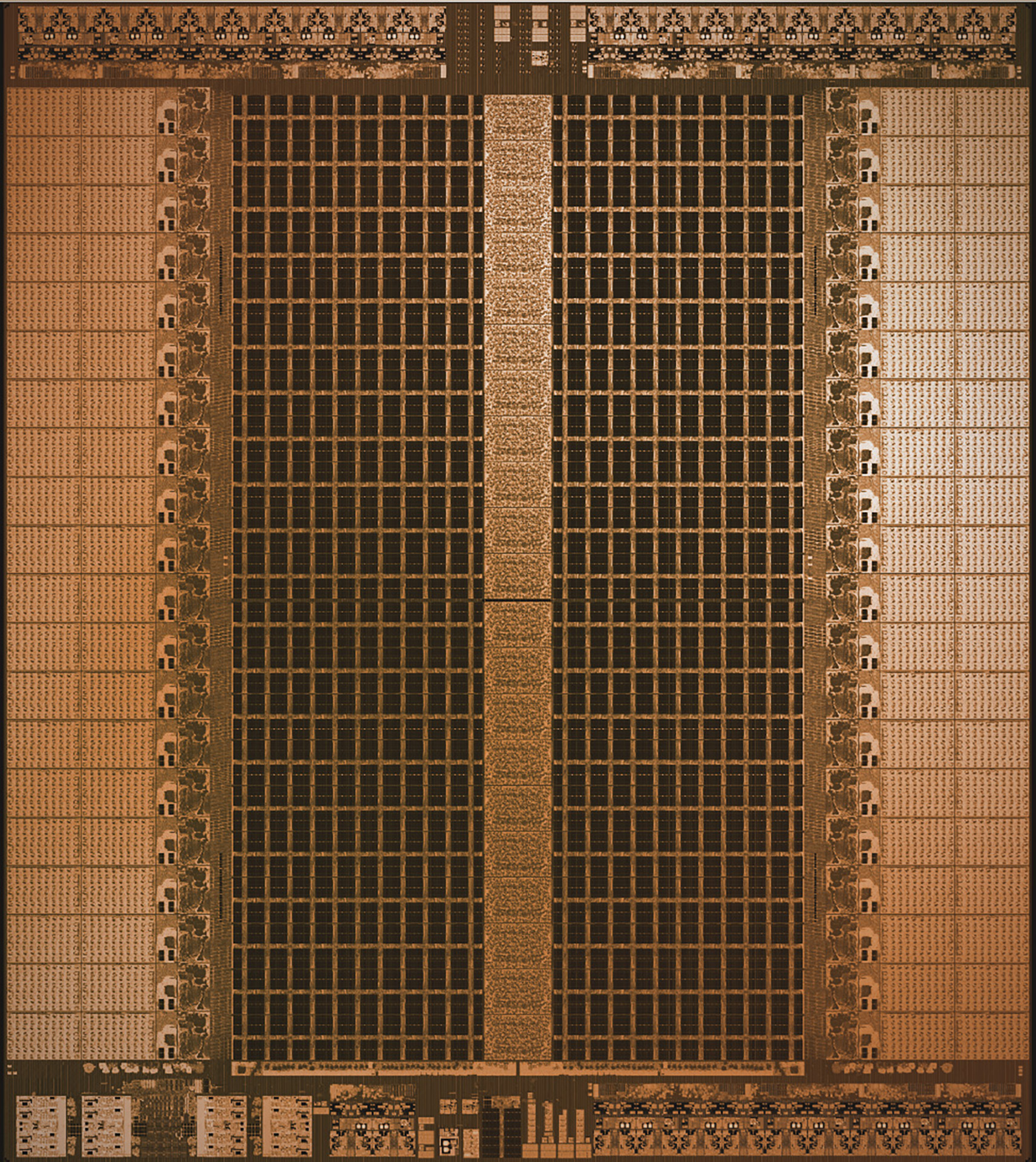
Groq’s deprecation schedule has officially taken effect: llama-3.1-8b-instant and llama-3.3-70b-versatile have no longer been available to Free and Developer plans since August 16. Enterprise customers with committed-spend contracts are not affected for now. This is not a server-side change that silently redirects the old names to newer versions; production services, batch jobs, or fallback routes that continue sending the original model IDs will receive errors directly.
Groq lists openai/gpt-oss-20b as the recommended replacement for the 8B endpoint, while the 70B endpoint can be migrated to openai/gpt-oss-120b or qwen/qwen3.6-27b. However, these models are not drop-in Llama upgrades: GPT-OSS has different reasoning-effort settings and tool-use conventions, while the original Qwen3.6-27B model card describes a hybrid architecture, a native 262,144-token context window, and multimodal capabilities. The input types, context limits, and serving parameters actually supported by Groq should still be verified against its endpoint documentation.
Beyond replacing the model string, engineering teams should rerun tests for JSON schemas, function parameters, stop sequences, system prompts, streaming events, and maximum output length. Cost estimates, prompt truncation, and cache keys that depend on a specific tokenizer may also change. Model allowlists, monitoring dimensions, and failover configurations likewise need to be updated. Because the deprecation notice was published as early as June, the news now is that the shutdown deadline has arrived. The next things to watch are whether Groq sets a separate deprecation date for enterprise contracts and how the replacement endpoints perform under high concurrency in terms of latency, rate limits, and output compatibility.