代理與物聯網
Google Home Opens Device State, History, and Control to Third-Party Agents Through Five MCP Tools
Google Home MCP lets compatible agents enumerate household devices, read real-time state, query event history, and execute control commands. Early access protects sensitive operations with OAuth and server-side restrictions, but it also brings prompt injection and erroneous tool calls into physical home environments.
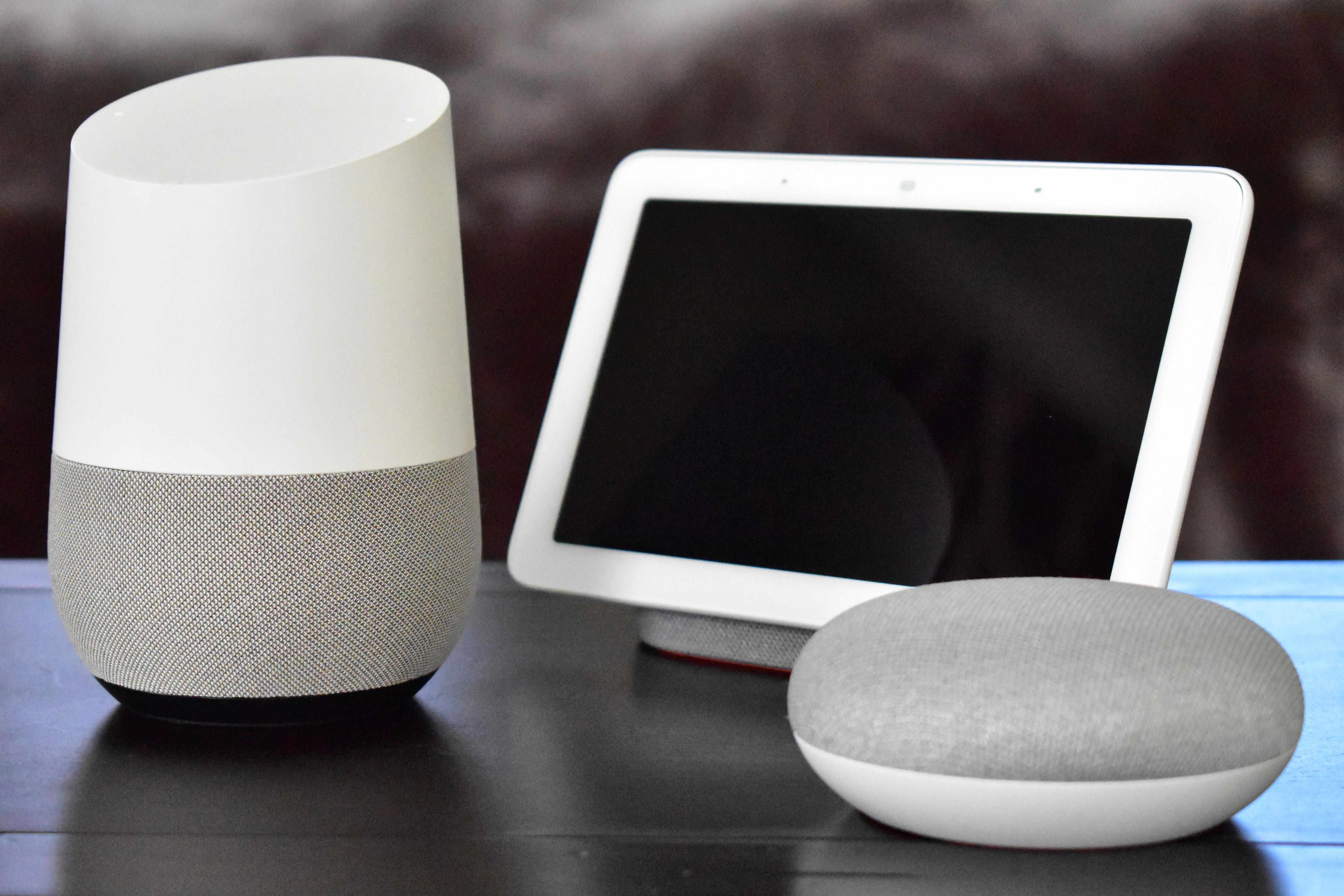
Google has begun rolling out Home MCP early access to Google Home Premium Advanced users in the United States, allowing agents that support the Model Context Protocol—such as Antigravity, Claude, and OpenClaw—to connect directly to homes. This is not merely a retrieval service that lets models consult documentation, but a remote tool interface with actual read and write capabilities that can operate Nest, Matter, and other devices connected to Google Home.
The official interface divides its capabilities into five tools: `list_homes` identifies accessible homes; `list_home_resources` enumerates rooms, devices, traits, attributes, and command structures; `list_home_states` reads real-time connectivity and state; `run_home_actions` executes parameterized control commands; and `list_home_history` queries state changes and events within a specified time range. Agents can therefore aggregate home-arrival activity across cameras, calculate lighting usage time, or generate custom dashboards from natural-language requests without requiring a separate purpose-built integration for each type of device.
Deployment still presents significant hurdles: users must create a Google Cloud project, enable the Home API, configure the OAuth consent screen and client credentials, and then add `https://home.googleapis.com/mcp` to the agent. Google applies rate and safety restrictions on the server side, including prohibiting agents from unlocking door locks. Familiar-face data also requires explicit consent from the home administrator, and connections can be revoked through the Home app or the user’s Google Account.
For engineering teams, the important shift is that a general-purpose agent protocol is beginning to enter a control plane that affects the physical world. OAuth can verify that a user has granted authorization, but it cannot guarantee that an agent will correctly interpret ambiguous requests, nor can it eliminate prompt injection originating from webpages, text captured by cameras, or third-party content. Google therefore warns of potentially unintended behavior and recommends that users inform every member of a shared household or create a separate test home. Some traits are still experimental, latency may be relatively high, and the interface cannot yet create or manage automations. Going forward, key questions include whether fine-grained scopes, per-action approvals, audit logs, and emergency revocation can keep pace with increasingly proactive home agents.